Baby Elephant: A Handwritten Font for Whimsical Elegance
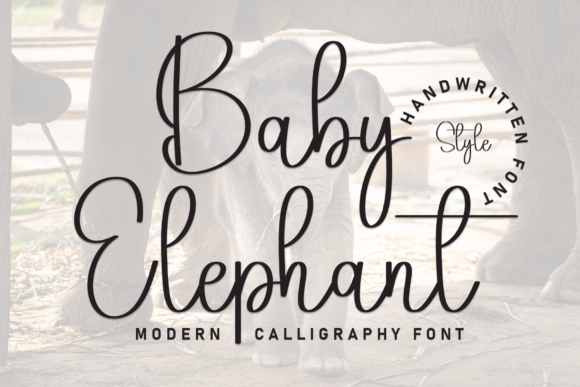
Finding a typeface that feels both personal and polished can be a real challenge. Many script fonts lean too far into casual, while some serif fonts can feel overly formal. This is where a unique display font like Baby Elephant enters the conversation. It's a handwritten font that captures a specific mood—one of warmth, gentle whimsy, and a quiet confidence. It doesn't shout; it invites you in with a friendly, slightly playful script that still maintains a surprising level of legibility and sophistication. Think of it as the typographic equivalent of a heartfelt, handwritten note on beautiful stationery.
This premium font is designed to be more than just letters on a page. Its character stems from subtle details: the slightly uneven baselines that mimic natural handwriting, the soft, rounded terminals on its strokes, and a rhythm that feels organic and flowing. It’s not a rigid, perfect script, and that’s precisely its charm. Baby Elephant brings a human touch to digital design, making it an excellent creative font for projects that need to feel authentic and approachable. It bridges the gap between the casual nature of handwriting and the structured needs of professional design work.
Where Baby Elephant Truly Shines
The real value of a typeface is proven in its application. Baby Elephant has a distinct personality that makes it a standout choice for specific contexts, particularly where emotion and connection are key. Its versatility across different design assets is a major strength.
Wedding and Event Stationery
This is perhaps its most natural home. For wedding invitations, save-the-dates, and thank you cards, Baby Elephant provides an instant sense of romance and intimacy. It pairs beautifully with a clean sans serif font for details like dates and venues, creating a beautiful visual hierarchy that guides the eye. The font’s elegance doesn’t feel stuffy; it feels celebratory and personal, which is exactly the tone most couples seek.
Brand Identity and Logo Design
For businesses built on personality and connection, Baby Elephant can be a powerful asset in logo design and brand identity. Imagine it for a boutique bakery, a children’s clothing line, a floral studio, or a life coach’s brand. It communicates warmth, creativity, and a hands-on, artisanal quality. Using it for a primary logo wordmark or in supporting brand materials can help a business feel more human and relatable, fostering a stronger emotional connection with its audience.
Marketing and Digital Content
In the digital space, standing out is crucial. Baby Elephant is fantastic for social media graphics, particularly quote cards, Instagram Stories, and promotional announcements. Its friendly demeanor can increase engagement and make a brand’s voice feel more conversational. It’s also a strong contender for blog headers or ebook titles, especially for publishers, bloggers, and content creators in lifestyle, wellness, or creative niches. When used thoughtfully, it can make digital content feel more like a curated piece of art than a standard webpage.
Editorial and Packaging Design
Beyond digital, this handwritten font finds a home in editorial design for magazine pull quotes or chapter titles, and in packaging design for product labels, especially on artisanal goods like candles, jams, or cosmetics. It adds a layer of perceived craftsmanship and care to the product, which can influence purchasing decisions.
Practical Guidance for Using This Font
Choosing a creative font is just the first step. Using it effectively requires a bit of strategy. Here’s how to approach integrating Baby Elephant into your work.
- Evaluate Project Fit: First, consider your project's overall tone. Baby Elephant works best for projects that aim for a friendly, elegant, whimsical, or personal feel. For a corporate financial report or a tech startup’s primary UI, it would likely be the wrong choice. Always align the font’s personality with your project’s goals and audience.
- Master Font Pairing: This is critical. As a display font, Baby Elephant is designed for headlines and short bursts of text, not body copy. Its ideal partner is a highly legible, neutral sans serif font (like Montserrat, Lato, or Open Sans) or a classic serif font (like Lora or Merriweather) for longer paragraphs. This contrast ensures readability while letting Baby Elephant’s character shine. A good font pairing creates balance and visual interest.
- Consider Readability and Hierarchy: Use Baby Elephant at larger sizes where its intricate details are clear. At small sizes, it can become difficult to read. Always test it in context. Use it for your H1 or H2 headings, a pull quote, or a call-to-action button. Let your chosen body font handle the heavy lifting of information delivery.
- Review Included Styles: A good premium font often comes with more than one style. Check if Baby Elephant includes alternate characters, ligatures, or stylistic sets. These extras can provide more creative flexibility and help you avoid repetition, making your designs feel even more custom.
- Understand Commercial Licensing: If you’re a small business owner, entrepreneur, or designer working on client projects, you must use a commercial font. Ensure your license covers your intended use—whether for a logo, a product sold on Etsy, or marketing materials. This protects both you and the font designer and is a hallmark of professional practice.
Ultimately, Baby Elephant is more than just another script font in a crowded market. It’s a thoughtfully designed tool for injecting genuine warmth and creative energy into projects. By understanding its strengths and applying it with intention, you can leverage this typeface to create designs that don’t just look good, but feel right, building stronger connections with your audience in the process.